Perhaps it is easier to begin with what Tarot is not.
Tarot is not fortune telling, and the results of readings are not set in stone. There is a saying that was first recorded in an 8th or 9th Century Hermetic text: “As above, so below”… the belief that there is a parallel between our perceived plane and ‘other’ planes of existence, influencing and guiding us. This is the magic of the cards, connecting us with those energies that exist beyond our 5 senses. That connection allows us to peer beyond the veil, as it were, and gain tremendous insights into our present existence and situation. It is guidance for our reality as it is reflected in the ‘other.’ As Helena Blavatsky described it in “Isis Unveiled” (1877), it is as though “[the] star, glimmering at an immeasurable distance above our heads… reflects itself in the smooth waters of a lake.”
The interpretation of a spread is not set in stone. It simply shows the most likely outcome with regards to your question if you were to remain on the same trajectory as you are now. There is tremendous freedom in being able to change one’s fate, and so to use the interpretation of the cards as an instructional guide.
Where did it all begin? Tarot cards first appeared in Europe in the 1400s as a game. It was in the late 1700s that Tarot first began to be used in occult circles. While they may have started their journey as a humble card game, they have become an undeniable tool in the modern era for use in divination and for personal growth.
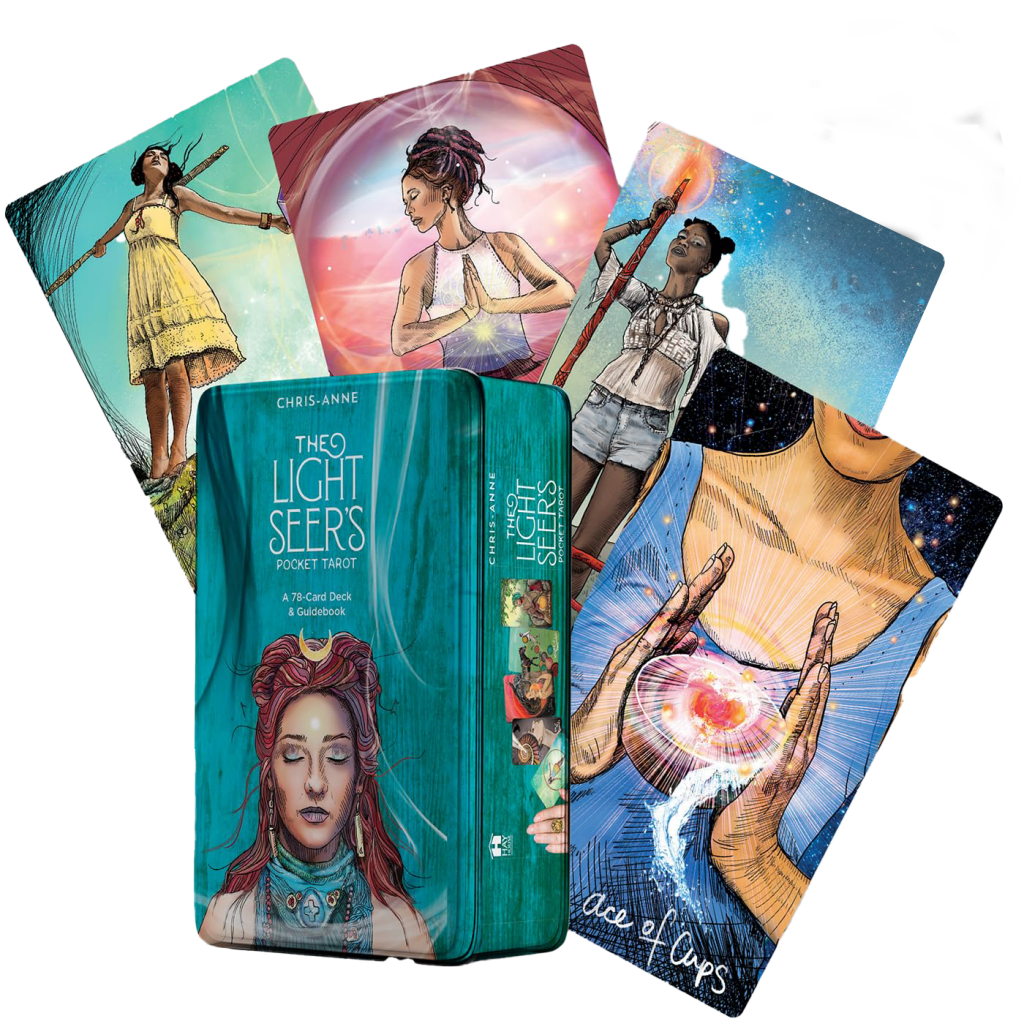
A Tarot deck consists of 78 cards in the deck: 22 Major Arcana, 40 Suit cards (labelled 1 to 10), and 4 Court cards (Page, Knight, Queen, and King) belonging to each Suit. The four Suits are Wands, Cups, Swords, and Pentacles. Each card has a meaning that is attributed to it by both tradition and the reader’s intuition.
It is a medium that everyone can connect with, no matter your background or religious affiliation, adding an extra dimension to our understanding of the world around us, and indeed the world beyond our perception.
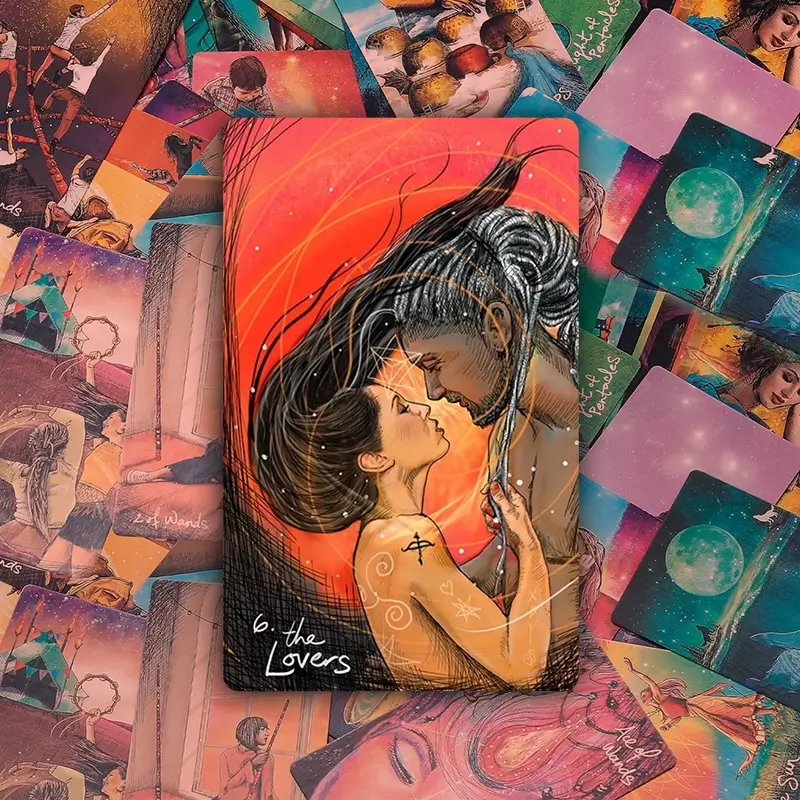
The MINOR ARCANA consists of the remainder of the deck (56 cards) that represent the more temporal, transitory experiences of life. If Major Arcana speak to the “what” or “why”, then the Minor Arcana can represent the “how” in your reading. These 56 cards are divided into 4 different suits:
The Suit of Wands
Wands represents inspiration, spirituality, energy, determination, intuition, creativity, and ambition.
The Suit of Cups
Cups represents emotions, feelings, relationships, and connections.
The Suit of Swords
Swords represents intellect, thoughts, words, and communication.
The Suit of Pentacles
Pentacles represents material aspects and career and financial aspects.